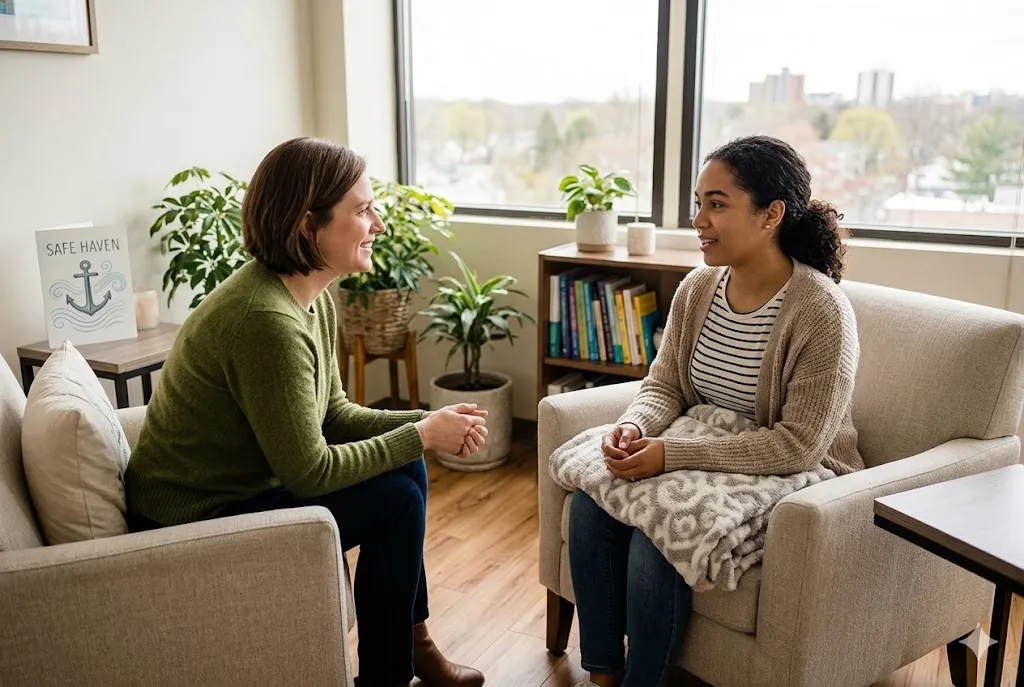
Mental health affects every part of a person’s life, from emotional well-being and physical health to daily routines and relationships. For individuals living with mental health conditions, receiving the right support at the right time can make a meaningful difference to long-term outcomes. In-home care for mental health provides an alternative to clinical settings, offering personalised mental health support in the comfort of a familiar environment.
Mental health home care allows individuals to receive mental health care in their own home while maintaining independence, dignity, and a sense of normality. For many people facing mental health challenges, this approach can support recovery more effectively than institutional settings. Services such as Careline Home Support help individuals and families arrange mental health care that fits around real lives, personal preferences, and unique challenges.
This article explores how home mental health care works, who it supports, and why it is increasingly important in modern mental health care.
What Is In-Home Mental Health Care?
In-home care mental health services provide tailored support to individuals living in their own homes. This form of health care at home focuses on supporting emotional well-being, managing mental health conditions, and helping individuals maintain daily life routines.
Mental health home care may support people experiencing:
Mental health problems such as anxiety or depression
Long-term mental illness
Other mental illnesses
Learning disabilities alongside mental health needs
Recovery following a mental health crisis
Unlike residential care or hospital-based clinical settings, in-home care enables individuals to receive care for mental health while remaining in a familiar setting that supports comfort and stability.
The Benefits of Mental Health Care at Home
For many individuals, mental health issues are closely linked to the environment, routine, and feelings of safety. Receiving care in one’s own home can reduce stress, support emotional well-being, and promote recovery.
Key benefits of mental health care at home include:
Remaining in a familiar environment
Maintaining independence and daily routines
Reduced disruption to an individual’s life
Personalised, one-to-one support
A holistic approach to care
People tend to engage more positively with mental health support when they feel comfortable and in control of their surroundings. Home care allows support to be shaped around the individual rather than the individual adapting to the care setting.
Supporting a Wide Range of Mental Health Conditions
In-home mental health care supports individuals with a broad range of mental health conditions. Care is tailored to the person’s needs, diagnosis, and recovery process, recognising that mental health affects people differently.
Support may be appropriate for individuals living with:
Anxiety disorders
Depression
Bipolar disorder
Severe mental illness
Emotional distress following trauma
Self-harm risks
Co-existing physical health needs
Mental health carers work alongside healthcare professionals to provide emotional support, practical assistance, and ongoing support that adapts as needs change.
The Role of Mental Health Carers
A mental health carer provides day-to-day support within the home environment. Trained carers focus on emotional support, personal care, and helping individuals perform daily tasks that may feel overwhelming during periods of poor mental health.
Mental health carers may support individuals with:
Medication management
Personal care and hygiene
Performing everyday tasks
Developing coping strategies
Supporting emotional well-being
Encouraging healthy daily routines
Carers also play a vital role in observing changes in mental health, helping ensure care plans are regularly reviewed and adjusted where needed.
Tailored Care Plans and Personalised Support
Every individual’s mental health journey is different. In-home mental health care is built around personalised care plans that reflect the individual’s life, preferences, and goals.
Care plans are developed with input from:
The individual receiving care
Family members where appropriate
Mental health professionals
Occupational therapist input if required
A personalised approach ensures care supports recovery without taking control away from the individual. The finer details of daily life, including routines, preferences, and emotional triggers, are carefully considered.
Emotional Support and Psychological Well-being
Emotional support is central to mental health home care. Living with mental health challenges can be isolating, particularly when symptoms affect motivation, confidence, or communication.
In-home care provides consistent emotional support through:
Building trusted relationships with carers
Encouraging open conversations
Supporting emotional regulation
Helping individuals feel heard and understood
Some care packages may also complement counselling sessions or therapy delivered by mental health professionals, ensuring a comprehensive care approach.
Supporting Daily Life and Practical Assistance
Mental health problems often affect a person’s ability to manage everyday tasks. In-home care supports individuals to maintain daily life without feeling overwhelmed.
Support may include:
Assistance with daily tasks
Help maintain daily routines
Support performing household activities
Encouragement to engage in meaningful activities
By supporting individuals to perform daily tasks, home care helps maintain independence and promotes long-term mental well-being.
Live-In Care and Round-the-Clock Support
For individuals with complex needs or during periods of increased vulnerability, live-in care may be appropriate. Live-in care provides round-the-clock support in the individual’s own home.
This level of care can be beneficial for:
Individuals at risk of self-harm
People experiencing severe mental illness
Those needing consistent emotional support
Individuals requiring structured daily support
Round-the-clock support offers reassurance to both individuals and loved ones, ensuring help is always available when needed.
A Holistic Approach to Mental Health Care
In-home mental health care takes a holistic approach, recognising the connection between mental health, physical health, emotional well-being, and environment.
Care for mental health often involves:
Supporting physical health alongside mental wellbeing
Encouraging healthy routines
Supporting coping strategies
Addressing social isolation
Involving family members where appropriate
This approach ensures individuals receive comprehensive care that supports long-term recovery rather than focusing only on symptoms.
Involving Family Members and Loved Ones
Family members often play an important role in supporting individuals living with mental health conditions. In-home care helps families remain involved while ensuring professional support is in place.
Carers can support loved ones by:
Providing guidance and reassurance
Supporting communication
Helping families understand mental health challenges
Offering respite when needed
This balanced approach protects relationships while ensuring individuals receive the right support.
Home Care vs Residential and Institutional Settings
Residential care and institutional settings may be necessary in some situations, particularly during acute mental health crises. However, for many individuals, home care offers a less disruptive alternative.
Mental health home care allows individuals to:
Remain in a comfortable environment
Avoid unnecessary hospital stays
Maintain independence
Receive care in a familiar setting
This can be particularly important during recovery, when stability and routine support long-term mental wellbeing.
Choosing the Right Care Provider
Selecting the right care provider is essential for effective mental health home care. Providers should offer specialised care, trained carers, and a friendly team experienced in supporting mental health needs.
A good care provider will:
Offer tailored care packages
Regularly review care plans
Provide ongoing support
Communicate clearly with individuals and families
Focus on personalised care rather than a one-size-fits-all model
Final Thoughts
In-home care for mental health offers a compassionate, flexible, and effective way to support individuals living with mental health challenges. By providing mental health support in a familiar environment, home care helps individuals maintain independence, develop coping strategies, and improve overall wellbeing.
With the right support, personalised care plans, and trained carers, individuals can receive mental health care that fits around their life rather than reshaping their life around care. For many, home mental health care plays a vital role in recovery, stability, and long-term emotional wellbeing.

Reviewed by