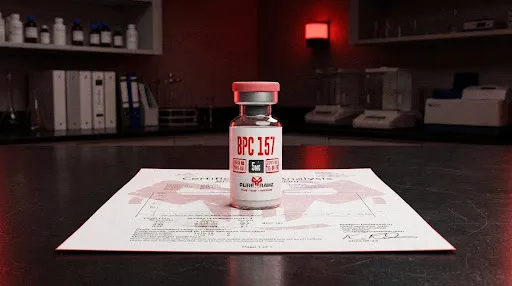
Peptide therapy is a treatment that uses short chains of amino acids, called peptides, to signal specific cells in your body to perform certain functions. These signaling molecules are the building blocks of proteins and act as biological messengers that regulate growth, repair, hormone levels, and the immune response.
Peptide therapy is not new. Insulin, a 51-amino-acid peptide hormone, was the first synthetic peptide ever made in a lab and has been used to treat type 1 diabetes since 1923. Modern peptide therapy applies that same principle to muscle growth, body composition, healing, and skin health.
How Peptide Therapy Works in the Body
Peptides work by binding to specific cell receptors and triggering biological processes. Some peptides are naturally occurring. Others are synthetic peptides designed to mimic or enhance the body's own signaling.
For example, growth hormone-releasing peptides do not directly increase growth hormone levels. Instead, they prompt the pituitary gland to release more of its own. This targeted approach is why peptide therapy is often described as working with the body rather than overriding it.
Patients new to peptide therapy often use peptide education resources to better understand how different compounds work before starting treatment.
Common Types of Peptides Used in Therapy
Different peptides target different goals. The table below covers the most commonly prescribed ones in US clinics:
Peptide | Primary Use | Typical Time to Results |
Tissue and gut healing, recovery | 1 to 4 weeks | |
Sermorelin | Growth hormone support, anti-aging | 4 to 8 weeks |
CJC-1295 / Ipamorelin | Muscle, sleep, body composition | 3 to 6 weeks |
GHK-Cu | Skin, collagen, wound healing | 8 to 12 weeks |
Thymosin Alpha-1 | Immune support | 2 to 6 weeks |
Quality of sourcing is just as important as the peptide itself. Reputable providers like Koi Peptides publish third-party Certificates of Analysis so patients and clinicians can verify purity and concentration before any treatment plan is built.
Benefits of Peptide Therapy
Reported benefits vary by peptide class, but the most common outcomes patients pursue include:
Muscle growth and recovery: Growth hormone secretagogues like CJC-1295 and Ipamorelin support lean muscle and faster post-workout recovery
Fat loss and body composition: Some peptides enhance lipolysis and metabolic rate. FDA-approved GLP-1 receptor agonists such as semaglutide and tirzepatide fall in this category.
Healing and tissue repair: BPC-157 and TB-500 are studied for tendon, ligament, and gut tissue recovery
Skin health: GHK-Cu, a copper peptide, supports collagen production and skin elasticity
Immune function: Thymosin Alpha-1 is approved as a pharmaceutical product in more than 30 countries for immune-related conditions
Sleep and energy: Sermorelin users often report better sleep quality within 4 to 8 weeks
Is Peptide Therapy Safe? Side Effects and FDA Status
Peptide therapy is generally well-tolerated under medical supervision. Common mild and short-term side effects include redness or irritation at the injection site, headaches, mild dizziness, or changes in appetite. Serious reactions are rare but possible, which is why oversight is advised.
In February 2026, HHS Secretary Robert F. Kennedy Jr. signaled support for reclassifying several previously restricted peptides, and on April 15, 2026, the FDA updated its Section 503A bulk drug substances list. The FDA's Pharmacy Compounding Advisory Committee is scheduled to review BPC-157, TB-500, Semax, and others on July 23 to 24, 2026.
It is worth knowing the difference between FDA-approved peptides (like semaglutide, tesamorelin, and insulin) and compounded peptides prepared by licensed compounding pharmacies. Compounded peptides are not FDA-approved drugs, even when legally available; quality depends on the pharmacy.
How Peptide Therapy Is Administered
Subcutaneous injection in the abdomen or thigh is the most common delivery method, since it sends peptides directly into the bloodstream for maximum effect. Oral capsules, nasal sprays, and topical creams are also used for certain peptides, though absorption pace varies.
A typical protocol runs 4 to 12 weeks, with the provider adjusting dosage based on response. Patients pursuing a peptides stack for muscle growth are often prescribed combinations like CJC-1295 with Ipamorelin to mimic the body's natural pulsatile growth hormone release.
Who Is a Good Candidate for Peptide Therapy?
Peptide therapy may suit adults who:
Want to support muscle growth, recovery, or athletic performance
Are you managing age-related decline in energy, sleep, or body composition
Are you recovering from soft-tissue injuries
Want targeted support for skin or immune health
People who are pregnant, breastfeeding, have active cancer, or take certain medications should avoid peptide therapy unless cleared by a physician. Baseline blood tests, including IGF-1, hs-CRP, liver enzymes, and kidney function, are recommended before starting.
Final Thoughts
Peptide therapy is a targeted tool in modern wellness, with uses in muscle growth, body composition, recovery, immune support, and skin health. The 2026 FDA review is reshaping access, so anyone considering treatment should work with a qualified provider, verify peptide sourcing, and base decisions on personal lab work.
Frequently Asked Questions
How long does peptide therapy take to work?
Timelines vary by peptide. Energy and sleep changes from Sermorelin or CJC-1295/Ipamorelin can show in 2 to 4 weeks. Healing peptides like BPC-157 may show effects within 1 to 2 weeks, while skin and body composition changes typically take 8 to 12 weeks of consistent use.
Is peptide therapy FDA-approved?
Some peptides like insulin, semaglutide, and tesamorelin are FDA-approved. Many others, including BPC-157 and TB-500, are not approved drugs and are accessed through licensed compounding pharmacies under medical supervision.
How much does peptide therapy cost?
Monthly programs in the US generally range from about $250 to $500, depending on the peptide, dosage, and delivery method. Injectable protocols tend to cost more than oral or nasal options.
Are peptides the same as steroids?
No. Steroids artificially raise hormone levels. Peptides signal the body to optimize its own natural processes, which is why side effects are generally milder and the risk is low.

Reviewed by